Tenant Safety
How to Verify a No-Broker Rental Listing Before Paying Deposit in India
UpHomes Team - Published 2026-02-16 - Updated 2026-08-09 - 9 min read
Quick answer
No-broker rentals can save brokerage only when the owner-direct story, exact flat, payment receiver, and agreement path are cleaner than a broker-assisted close. The missing broker fee is not the decision. The decision is whether you can verify the person, property, paperwork, payment destination, and possession timeline before token or deposit.
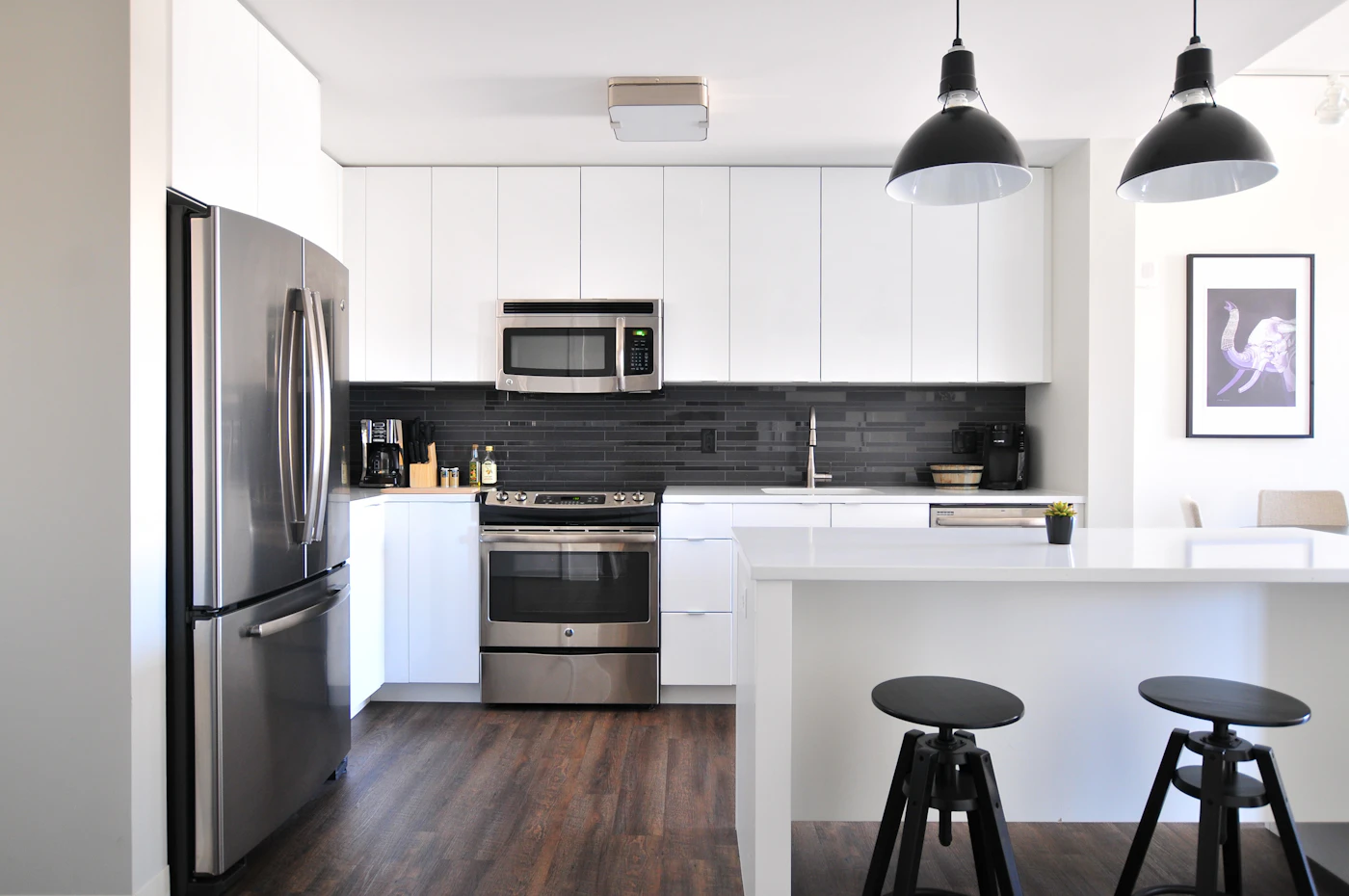
Start with listing-level checks before scheduling a visit. Reverse-check photos across platforms, and look for repeated images used in multiple cities or with different rent amounts. Read the description carefully for mismatch signals such as one locality in the title and another in the text. If details keep changing between chat and call, treat that as a warning sign. When you shortlist fresh options, compare homes side by side instead of getting pushed into a same-day transfer.
Use this guide when a listing says no broker, direct owner, owner posting, zero brokerage, owner-direct flat, or flatmate replacement. The label can come from an owner, family member, caretaker, current tenant, property manager, or broker using a direct-owner channel. Your job is to separate the discovery label from the payment-ready proof.
Quick decision checklist
Before you treat a no-broker listing as safe, confirm:
- Exact flat, building, floor, furnishing, parking, and possession date are visible through visit or live walkthrough.
- The person speaking can explain whether they are owner, family member, caretaker, property manager, current tenant, or broker.
- Agreement signer, payee name, and owner authority point to the same story.
- Rent, deposit, maintenance, parking, notice period, lock-in, repairs, and handover date are written.
- Token amount, purpose, hold period, refund condition, and next milestone are written before transfer.
- Deposit is not mixed with first rent, furniture money, old bills, brokerage, agreement cost, or society charges.
- You still have one or two backup homes until agreement, payment proof, and key handover are complete.
Separate no-broker from owner-direct
Ask one direct question early: are you the owner, a family member, the current tenant, a caretaker, a property manager, or a broker using a no-broker channel? Each route can be legitimate, but the proof changes. An owner should be able to connect name, flat, agreement, and payee. A current tenant needs owner approval for handover. A caretaker or manager needs written authority. A broker should disclose the fee and service scope instead of hiding behind the listing label.
Next, verify the person claiming to be owner or authorized representative. You do not need sensitive personal records, but you do need consistency. Ask for one ID where the name can be matched with the bank account name and with documents tied to the flat, such as a recent maintenance bill or electricity bill. If they refuse every basic proof but keep asking for money, pause the process. Genuine owners usually understand why renters ask for simple verification.
Always inspect the exact unit before money moves. A building visit is not enough if you are shown only a different floor or a model flat. During the visit, confirm flat number, lock condition, meter presence, ventilation, water access, and any promised furnishing. If you are relocating from another city and cannot visit immediately, insist on a live video walkthrough where you can ask the person to show real-time details like the door number plate, kitchen fittings, and balcony view continuity.
In high-demand markets like Bengaluru and Pune, urgency pressure is common: 'one more party is ready, pay now to block.' Do not let urgency replace process. If you decide to pay a holding amount, capture terms in writing first: amount, what exactly is being blocked, how long the block is valid, and clear refund conditions if owner-side documents or timelines fail. Without this, a token becomes a trust transfer with no safety net.
Check agreement basics before paying large deposits. Confirm monthly rent, deposit amount, maintenance split, lock-in if any, notice period, and move-in date. If these are still 'we will finalize later,' your risk is still high. For common clause confusion, quickly cross-check on /faq so you know what to insist on before you transfer money. Verbal comfort is not a substitute for written terms.
Payment path matters as much as amount. Transfer only to the same person who is documented in your agreement flow, and avoid third-party accounts unless there is a clearly documented legal reason. Keep every transfer traceable through UPI or bank with transaction IDs and screenshots saved in one folder. Never pay large cash deposits without signed acknowledgement that includes purpose, date, and property details.
Owner-direct versus broker-assisted decision
Do not reject broker help only because a no-broker lead exists. Compare total cost plus closing certainty. A broker-assisted flat can be better when the broker has verified access, owner coordination, clear fee timing, and agreement support. A direct-owner flat can be better when the owner communicates clearly, the payee matches the agreement path, and you have enough time to verify without pressure.
Score each serious lead on five points:
- Verification: exact unit, owner authority, and payee details are clear.
- Payment order: token, deposit, first rent, maintenance, and furniture money stay separate.
- Commute and locality: the flat works for your actual route, not only the listing title.
- Handover: possession date, repairs, keys, meter readings, and society entry are written.
- Exit safety: notice period, deduction rules, and deposit refund path are visible.
If the no-broker option saves a fee but has unclear authority, changing possession, or a third-party payee, it is not cheaper yet. If the broker option costs more but gives visit-ready access, owner confirmation, and written fee trigger, compare it honestly instead of choosing by headline savings.
Deposit should follow this order
Use this order for no-broker rentals: exact flat seen or live-video verified, owner or authorized closer confirmed, rent and deposit terms written, maintenance and move-in charges separated, society approval path checked, agreement timeline agreed, payee matched, then token or deposit transferred with a clear note. If the other side asks for deposit before this sequence is complete, the process is ahead of the proof.
For safer payment sequencing, use /blogs/token-amount-before-rent-agreement-india before sending a holding amount. If owner identity is the weak point, use /blogs/landlord-verification-checklist-before-paying-token-india before moving from visit to payment.
If you are taking a home with flatmates, align internal rules before the final payment step. Decide who pays first, how reimbursement works, and what happens if one person backs out after token transfer. Many shared-rental disputes are not scams; they are internal confusion about contribution timing. You can set these rules early with /blogs/flatmate-agreement-india-rent-split-notice-period-exit-rules so your group stays coordinated.
Use a practical city-level lens when evaluating risk. In Bengaluru tech corridors, fake urgency and remote-owner stories are common. In Mumbai micro-markets, paperwork may move slower because building-level approvals can add delays. In Hyderabad and Gurgaon, inventory quality can vary sharply within short distances, so in-person checks become even more important. The checklist is the same across cities, but your tolerance for verbal promises should remain low everywhere.
Red flags that should stop the transfer
- The person cannot explain their relationship to the owner
- Payee name does not match the owner or authorized closer story
- The exact flat is unavailable for visit or live walkthrough
- Rent, deposit, maintenance, and possession date are still changing
- Token refund conditions are missing or only verbal
- A viewing fee, gate-pass fee, key charge, or refundable visit deposit is demanded before access
- The person pressures you to delete messages or move payment discussion off the main thread
Not every red flag means the listing is fake. It means the risk is unresolved. Keep the lead open only if the missing proof arrives in writing.
Before final confirmation, send one written recap message and ask for explicit acknowledgement. Include agreed rent, deposit, inclusion or exclusion of maintenance, tentative signing date, and possession date. This single recap often exposes hidden assumptions early. If the other side avoids confirming basics in writing, step back and continue your search rather than forcing closure on an uncertain deal.
FAQs
Is no-broker the same as owner-direct? Not always. A no-broker listing can come from an owner, family member, current tenant, caretaker, manager, or broker. Verify the person's authority before paying.
Can I pay deposit before signing the rent agreement? Avoid paying full deposit before owner authority, flat details, rent terms, maintenance, possession date, and agreement timeline are written. If a token is needed, keep it smaller and documented with refund terms.
What if I am moving from another city and cannot visit? Ask for a live walkthrough that shows the building entrance, flat door, rooms, bathrooms, kitchen, meter area, and any promised parking or furniture. Then still verify payee and agreement details before payment.
How do I know if owner-direct is better than using a broker? Owner-direct is better when the owner authority, payment receiver, agreement path, and possession date are clearer than the broker route. If those are vague, the missing brokerage is not enough.
What should flatmate replacement renters verify? Confirm owner approval, agreement position, deposit holder, furniture value, old bills, notice period, and who refunds your deposit when you leave.
A safe no-broker rental is not about distrust; it is about discipline. Verify identity, inspect the exact property, document payment milestones, and keep written records from first call to key handover. If you want to strengthen your move-in process after verification, pair this checklist with /blogs/tenant-move-in-checklist and /blogs/token-amount-before-rent-agreement-india. A careful start usually leads to a calmer tenancy and fewer financial surprises later.
Editorial review
How this guide is checked
This article is maintained by the UpHomes rental content team and reviewed for owner verification, token-payment safety, flatmate handover clarity, brokerage transparency, and current Indian rental-market search intent.
UpHomes guides are informational and do not expose private listing contacts or exact addresses. Rules and charges can change by state, city, authority, and agreement, so verify current requirements with the relevant official service or a qualified professional.
- Reviewed by
- UpHomes Rental Research Team
- Last updated
- 2026-08-09
- Contact
- contact@uphomes.in
Core renter checks
Use these guides before paying
Related articles
Keep exploring UpHomes guides
Tenant Safety
Society NOC for Tenant Move-In in India: Documents, Charges, Owner Approval, and Payment Checklist
A practical tenant guide to society NOC before moving into a rented flat in India, including documents, owner approval, shifting charges, payment safety, and move-in proof.
Tenant Safety
Tenant Police Verification in Delhi NCR: Rent Agreement, Documents, Owner Approval, and Payment Checklist
A practical Delhi NCR renter guide to complete tenant police verification, align rent agreement details, protect documents, and avoid risky token or deposit payments.
Tenant Safety
Security Deposit Refund Checklist in India: Move-Out Proof, Deduction Control, and Fast Settlement
A practical move-out guide for tenants to recover security deposit faster using notice discipline, pre-inspection, deduction control, and clean handover proof.